



Smart Jewelry Shopping with Lab Created Diamonds and Expert Tips
Lab created diamonds have changed the jewelry industry by offering a real diamond with the same physical and chemical properties as a mined stone. They look identical to natural diamonds because they share the same crystal structure and brilliance. The only difference is their origin. One forms beneath the Earth’s surface over millions of years, while the other grows inside a controlled laboratory using advanced technology.
Many buyers choose lab created diamonds because they want excellent quality, greater value, and more design options. They are available in nearly every shape, size, and grade. From classic solitaire rings to an elegant emerald cut diamond ring, these diamonds suit many styles and budgets.
What Are Lab Created Diamonds?
Lab created diamonds are genuine diamonds produced through scientific processes that recreate the natural conditions required for diamond growth. Manufacturers use two main methods.
The first is High Pressure High Temperature, also called HPHT. This process recreates the heat and pressure found deep inside the Earth.
The second is Chemical Vapor Deposition, known as CVD. This method grows diamonds layer by layer inside a specialized chamber filled with carbon-rich gases.
Both methods produce diamonds with the same hardness, fire, brilliance, and durability as mined diamonds.
How Lab Created Diamonds Compare With Natural Diamonds
Many people wonder if laboratory-grown diamonds are real. The answer is yes. Professional gemologists classify them as real diamonds because they share the same chemical composition.
Here is a simple comparison.
| Feature | Lab Created Diamonds | Natural Diamonds |
|---|---|---|
| Composition | Pure carbon | Pure carbon |
| Hardness | 10 on Mohs scale | 10 on Mohs scale |
| Appearance | Identical | Identical |
| Formation | Laboratory | Earth |
| Certification | Available | Available |
Even trained experts usually need specialized equipment to identify the origin of a diamond.
Understanding the Four Cs
The quality of lab created diamonds follows the same grading standards used for natural diamonds. Buyers should understand the Four Cs before making a purchase.
Cut
Cut affects how light reflects through the diamond. A well-cut diamond appears brighter and more brilliant. Excellent and Ideal cuts usually provide the strongest sparkle.
Color
Diamonds range from colorless to light yellow or brown. Higher color grades generally appear brighter. Many buyers prefer grades between D and G.
Clarity
Clarity measures internal and external characteristics called inclusions and blemishes. Most inclusions are invisible without magnification. Grades from VS to VVS often provide excellent visual quality.
Carat Weight
Carat measures a diamond’s weight rather than its size. A well-cut diamond can appear larger than a poorly cut stone of the same carat weight.
Why Many Buyers Choose Lab Created Diamonds
Lab created diamonds continue to gain popularity for several practical reasons.
They usually cost less than comparable natural diamonds. This allows buyers to select higher clarity, larger carat weights, or premium cuts within the same budget.
They also provide greater flexibility for custom jewelry. Designers can create engagement rings, earrings, necklaces, and bracelets using larger center stones without dramatically increasing the total cost.
Many consumers also appreciate the transparent production process because laboratory manufacturing reduces the need for mining.
Popular Diamond Shapes
Shape changes the appearance of a diamond even when the carat weight stays the same.
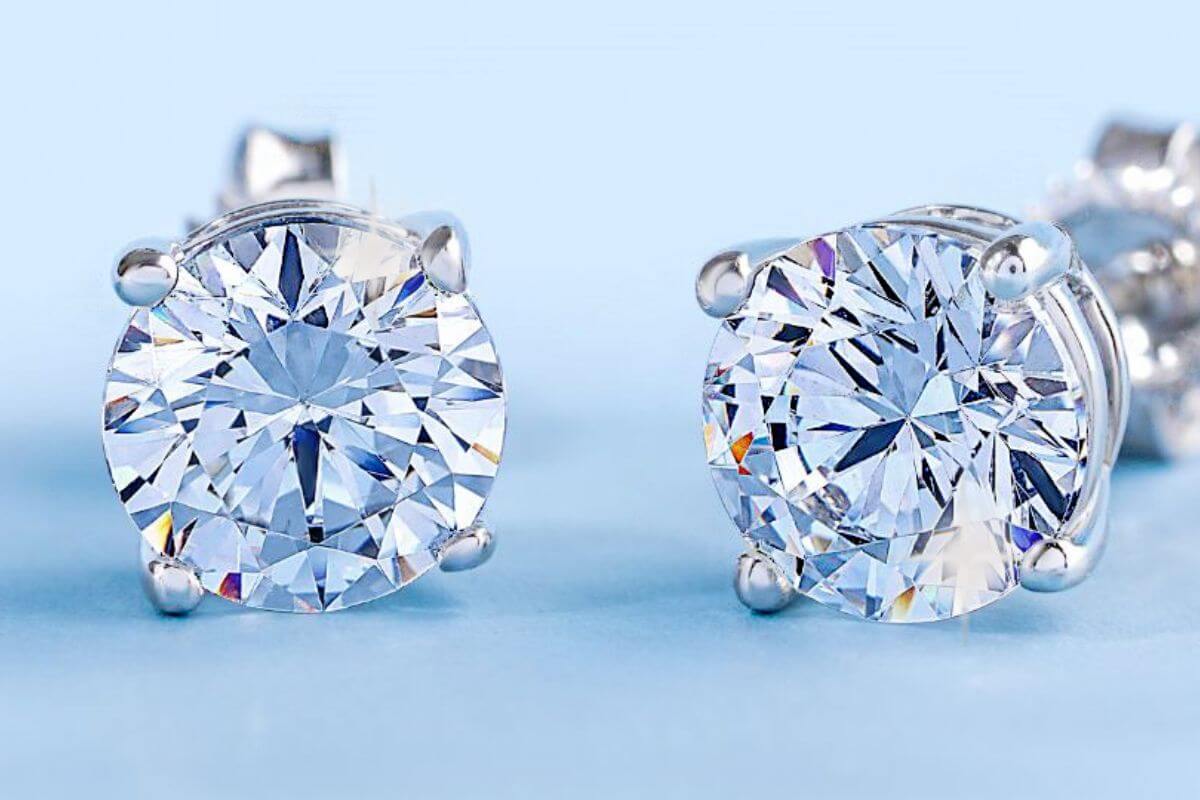
Round brilliant diamonds remain the most popular because they maximize sparkle.
Oval diamonds create the illusion of longer fingers.
Princess cut diamonds offer a modern square appearance.
Cushion cut diamonds combine rounded corners with vintage charm.
Pear-shaped diamonds create a distinctive silhouette.
An emerald cut diamond ring stands apart because of its clean lines and step-cut facets. Instead of producing intense sparkle, it creates broad flashes of light that highlight clarity and elegance. Buyers who appreciate sophisticated designs often choose this shape for engagement rings.
How to Choose the Right Lab Created Diamond
Buying a diamond becomes easier with a structured approach.
Start by setting a realistic budget. Decide which quality factors matter most to you.
Prioritize cut because it has the greatest impact on beauty.
Choose a color grade that appears white to the eye without paying for differences that remain invisible.
Select a clarity grade that appears clean without magnification.
Compare several certified diamonds before making a final decision.
Many buyers also compare different shapes because appearance varies even at identical carat weights.
Certification Matters
Always purchase certified lab created diamonds.
Independent laboratories evaluate diamonds using consistent grading standards. A grading report verifies the stone’s cut, color, clarity, carat weight, proportions, and identifying characteristics.
Common certification organizations include:
- International Gemological Institute (IGI)
- Gemological Institute of America (GIA)
A grading report helps buyers compare diamonds accurately and confidently.
Caring for Lab Created Diamonds
Lab created diamonds require simple maintenance to preserve their brilliance.
Clean jewelry regularly using warm water, mild soap, and a soft brush. Rinse thoroughly and dry with a lint-free cloth.
Store diamond jewelry separately to prevent scratches. Although diamonds are extremely hard, they can scratch other gemstones and even other diamonds.
Professional inspections once or twice each year can identify loose settings before they become a problem.
Common Myths About Lab Created Diamonds
Several misconceptions still surround laboratory-grown diamonds.
One myth suggests they are fake diamonds. They are not. They are genuine diamonds with the same physical properties as mined stones.
Another myth claims they lose sparkle over time. Sparkle depends on cleanliness and cut quality, not on where the diamond formed.
Some people also believe laboratory-grown diamonds are identical to diamond simulants like cubic zirconia or moissanite. Those materials have different chemical structures and optical properties. Lab created diamonds remain genuine diamonds.
Are Lab Created Diamonds Right for You?
The right choice depends on your priorities.
If you want the highest quality within a specific budget, lab created diamonds provide many excellent options.
If you prefer larger carat sizes, premium clarity, or exceptional cut quality without paying the price often associated with comparable natural diamonds, laboratory-grown diamonds deserve consideration.
People shopping for engagement rings, anniversary gifts, or custom jewelry frequently compare both options before deciding. Designs such as the timeless emerald cut diamond ring demonstrate how laboratory-grown diamonds can combine elegance with outstanding craftsmanship.
Final Thoughts
Lab created diamonds offer the same beauty, durability, and brilliance as natural diamonds while providing greater flexibility in price and design. They follow the same grading standards, receive independent certification, and remain suitable for every type of fine jewelry.
Understanding the Four Cs, comparing certified stones, and selecting the right shape will help you make a confident decision. Whether you prefer a classic round diamond or a refined emerald cut diamond ring, lab created diamonds provide genuine quality backed by modern technology.