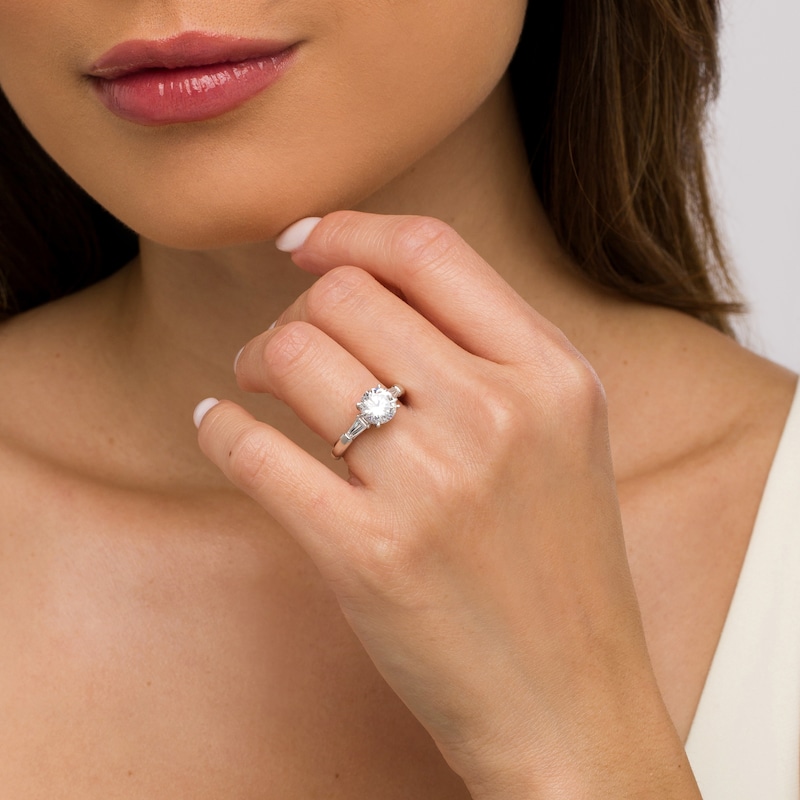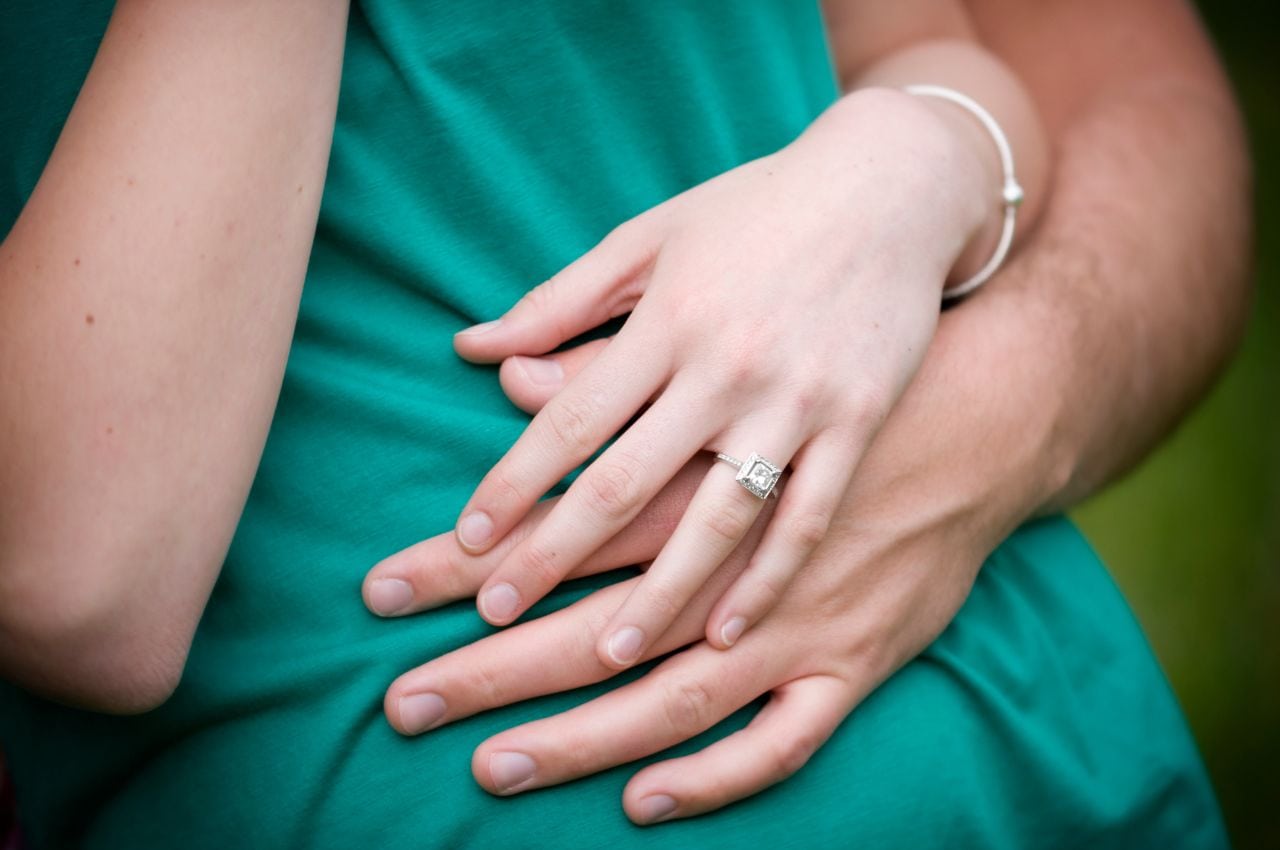





Lab Grown Diamond Rings Platinum vs Gold Guide
What Lab Grown Diamonds Really Are
Lab grown diamonds are real diamonds. They share the same chemical structure, hardness, and optical properties as mined diamonds. The difference is origin. Instead of forming underground over time, they are created in controlled environments using heat and pressure or vapor deposition.
When you look at a lab grown diamond, you are looking at carbon arranged in a crystal lattice. This is not a substitute or imitation. It is a diamond.
You choose a lab grown diamond because you want clarity on sourcing, predictable quality, and price transparency. These stones are graded using the same standards as mined diamonds. Cut, color, clarity, and carat still apply.
Example
A one carat lab grown diamond with VS1 clarity and G color will look identical to its mined counterpart to the naked eye.
Why the Setting Metal Matters
The diamond draws attention, but the metal supports daily wear. The metal affects comfort, durability, and how the stone looks over time.
When choosing a ring, the metal interacts with the diamond in three main ways:
It affects how light reflects into the stone
It determines how well the setting holds shape
It influences long term maintenance
This is where the comparison between platinum and gold becomes relevant, especially when paired with a lab grown diamond.
Platinum as a Ring Metal
Platinum is a dense and durable metal. It is naturally white and does not need plating. When scratched, the metal moves rather than wears away.
This matters if you plan to wear your ring every day.
Platinum benefits:
- High resistance to metal loss
- Stable prongs that hold diamonds securely
- No color fading or coating wear
Platinum develops a patina over time. This is a soft matte finish caused by surface movement. Some people like it. Others polish it back to shine.
Platinum is heavier than gold. You will feel it on your hand.
Gold as a Ring Metal
Gold is lighter and more flexible in design. It is mixed with other metals to increase strength. This creates different colors such as yellow, white, and rose.
White gold is often compared to platinum. It is coated with rhodium to achieve a bright white surface.
Gold benefits:
- Lower initial cost
- Wider design options
- Lightweight feel
Gold wears away over time. Scratches remove metal. Prongs may need rebuilding after years of wear. White gold needs re plating to maintain color.
Example
A white gold ring may need rhodium plating every one to two years depending on wear.
How Lab Grown Diamonds Perform in Each Metal
Lab grown diamonds are as hard as mined diamonds. The metal choice does not affect the stone’s durability, but it affects how securely the stone stays in place.
Platinum prongs tend to bend rather than break. This can prevent diamond loss. Gold prongs are strong but can thin over time.
Light reflection is another factor. White metals reflect neutral light. Yellow gold can add warmth to a diamond’s appearance. This can be useful if the diamond has a lower color grade.
This is where lab grown diamond rings platinum vs gold becomes a practical decision rather than a style debate.
Cost Differences That Matter Long Term
Platinum costs more upfront. It is also more expensive to work with. Repairs and resizing can cost more.
Gold costs less at purchase. Maintenance adds up over time. Re plating and prong work are recurring costs.
If you plan to wear the ring daily for decades, platinum may cost less over its lifetime. If you want flexibility or plan to upgrade later, gold may make more sense.
Skin Sensitivity and Comfort
Platinum is hypoallergenic in its pure form. This matters if you have sensitive skin.
Gold alloys can contain nickel. This can cause irritation for some people. Many jewelers offer nickel free gold alloys but you should confirm.
Comfort is also about weight. Some prefer the solid feel of platinum. Others want a lighter ring.
Choosing Based on How You Live
Ask yourself how you use your hands. Do you work with tools. Do you exercise with your ring on. Do you remove it often.
Use cases:
Daily wear with minimal removal points toward platinum
Occasional wear or lighter use supports gold
Preference for warmer color points toward yellow or rose gold
When comparing lab grown diamond rings platinum vs gold, your routine matters more than trends.
Ethics and Material Transparency
Lab grown diamonds appeal to buyers who want traceability. Both platinum and gold can be sourced responsibly, but recycled metals are often easier to find in gold.
If material origin matters to you, ask for sourcing details. This applies to both the diamond and the metal.
Making the Final Choice
There is no superior option in isolation. There is only a better fit for your needs.
Choose platinum if you want long term durability and minimal change in metal volume. Choose gold if you want flexibility in color, lower upfront cost, and lighter feel.
The diamond remains the same. The setting defines how you live with it.
FAQ
Are lab grown diamonds less durable than mined diamonds
No. They have the same hardness and structure. Durability is identical.
Does platinum make a diamond look bigger
Platinum’s white color can enhance light reflection, but size perception depends more on setting design.
Is lab grown diamond rings platinum vs gold a style choice or practical choice
It is both. Style sets the direction. Practical factors determine satisfaction over time.