



Understanding Diamonds: A Modern Guide to Choosing the Perfect Stone
The Enduring Allure of Diamonds
Diamonds have captivated the human imagination for centuries. Their brilliance, rarity, and symbolism make them one of the most cherished gemstones in the world. Whether they mark an engagement, a special anniversary, or a personal milestone, diamonds hold deep emotional significance. But today’s diamond 4cs chart is more informed, thoughtful, and often more ethically driven than ever before. With evolving technology and changing values, the diamond industry is undergoing a major transformation, offering new options and deeper transparency for those looking to make a truly informed decision.
A Brief History of Diamond Standards
While diamonds have always been admired, it wasn’t until the 20th century that a global standard was developed to evaluate their quality. This system allowed jewelers and buyers to speak the same language when comparing stones. Before this, much of diamond buying relied on subjective descriptions and visual impressions, making it hard to gauge value accurately. Today, these standards have become essential tools in helping people navigate what is often one of the most meaningful purchases of their lives.
The 4Cs: A Foundation of Diamond Knowledge
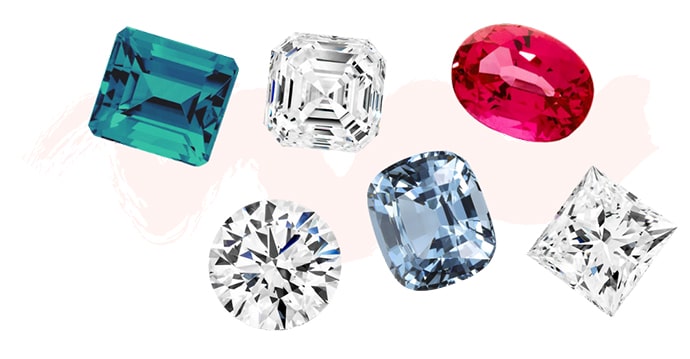
At the heart of diamond grading lies the concept of the 4Cs—cut, color, clarity, and carat. These four characteristics determine a diamond’s appearance, quality, and price. The cut affects how a diamond reflects light; color measures how white or tinted the stone is; clarity examines internal flaws or inclusions; and carat refers to the diamond’s weight. A well-balanced stone may not score perfectly in every category, but it can still deliver incredible beauty and value depending on the combination. Understanding these factors empowers buyers to choose a diamond that matches both their style and budget.
How to Use the Diamond 4Cs
Making sense of diamond grades can be overwhelming, especially for first-time buyers. That’s where visual aids and guides come in handy. A diamond 4Cs chart is an excellent resource that breaks down the characteristics and ranks them in a way that’s easy to compare. This chart helps illustrate how, for example, a slight change in cut or clarity can significantly affect price or appearance. Instead of relying solely on a jeweler’s recommendation, buyers can refer to the chart to make a choice that’s based on personal priorities—whether that’s brilliance, size, or a balance of features.
The Rise of Conscious Consumerism
In recent years, buyers have started asking deeper questions about the origin of their diamonds. Where did it come from? Was it ethically sourced? What was the environmental impact of mining it? This growing awareness has pushed the industry toward more transparent and sustainable practices. Traceability has become a buzzword, and certifications that once focused only on quality now also address social and environmental concerns. It’s not just about what a diamond looks like—it’s about what it represents. As a result, new options are emerging for those who want both beauty and peace of mind.
Enter the Era of Lab Grown Alternatives
A significant development in the diamond world is the rise of lab grown diamonds. These stones are not synthetic imitations—they are real diamonds with the same physical, chemical, and optical properties as mined ones. The difference lies in their origin. Rather than forming underground over billions of years, lab grown diamonds are created in high-tech laboratories using advanced equipment that replicates natural conditions. The result is a diamond that looks and behaves exactly like one from the earth but without the ethical and environmental concerns tied to traditional mining.
Advantages of Lab Grown Diamonds
Lab grown diamonds offer several compelling benefits. First, they tend to be more affordable—often 30% to 40% less than their mined counterparts. This allows buyers to opt for a larger or higher-quality stone without exceeding their budget. Second, their production is generally considered more environmentally friendly, requiring less land disruption and fewer resources. Third, they eliminate many of the supply chain uncertainties associated with mined diamonds, making them a transparent and traceable choice. For couples and individuals seeking beauty with values, lab grown diamonds present a thoughtful and contemporary option.
A New Kind of Romance
Some might argue that a lab grown diamond lacks the “romance” of a natural one. But romance is a personal concept, and in today’s world, many find deeper meaning in a stone that reflects modern ethics and sustainability. The story of a lab grown diamond can be just as compelling: one rooted in innovation, care, and consciousness. It’s not about the age of the carbon—it’s about the intent behind the gift. For those who prioritize love, commitment, and the future, choosing a diamond that aligns with those values can make the symbol even more powerful.
Navigating the Buying Experience
Whether choosing a mined or lab grown diamond, the buying process should be empowering. Education is the first step, and tools like side-by-side comparisons, certifications, and visual analysis help ensure clarity. Many reputable jewelers now offer both types of diamonds and are equipped to explain their differences in honest, accessible terms. Buyers are encouraged to ask questions, take their time, and compare options in person when possible. From the 4Cs to origin and price, each decision adds a layer of meaning to the final choice.
Looking Toward the Future of Diamonds
The diamond industry is not what it was 20 years ago—and that’s a good thing. It is evolving to reflect the needs and values of a new generation of buyers. Technology has not only made diamonds more accessible but has also created opportunities for innovation and responsibility. Consumers now have more power than ever to decide what kind of story they want their diamond to tell. And whether that story includes ancient geology or modern engineering, it remains deeply personal and infinitely meaningful.
Final Reflections on Choosing Your Diamond
Choosing a diamond is more than a transaction—it’s a statement of intention, emotion, and identity. It’s about finding a stone that not only sparkles on the outside but resonates on the inside. Whether guided by tradition or drawn to the possibilities of progress, today’s buyer has more choice and more information than ever before. By understanding quality through tools like the 4Cs and exploring ethical alternatives like lab grown diamonds, the modern consumer can make a decision that reflects both heart and mind. After all, the true brilliance of a diamond comes not just from how it shines, but from what it stands for.

:max_bytes(150000):strip_icc()/casino-michael-blann-566ae8065f9b583dc32bbedd.jpg "How Do Casinos Lure Gamblers?")