



What is Dye Sublimation? A Beginner’s Guide
Dye sublimation is a cutting-edge printing method used to create high-quality, long-lasting designs on various surfaces, especially polyester-based materials. Unlike traditional printing methods that apply ink on the surface, dye sublimation chemically bonds the dye with the material, resulting in vibrant, permanent prints that don’t fade, crack, or peel. But what exactly is dye sublimation, how does it work, and why is it so popular for creating customised products?
In this beginner’s guide, we’ll break down the process, explain the science behind it, and explore its growing role in industries from fashion to interior design.
What is Dye Sublimation?
The term “sublimation” comes from a scientific process where a substance transitions directly from a solid to a gas without passing through the liquid stage. In the context of printing, dye sublimation involves using heat to convert solid dye into gas, which then infuses into a specially coated material or polyester fabric. Once cooled, the dye returns to a solid state, becoming part of the material rather than sitting on top of it.
This permanent integration means the image won’t wash out or rub off, making it ideal for both textiles and hard surfaces like mugs, mouse pads, aluminium photo panels, and more.
To learn more about the science behind the process, visit our guide on what is dye sublimation.
How Does the Process Work?
- Design Creation – The process begins with creating your artwork using digital design software such as Adobe Illustrator, Photoshop, or even Canva.
- Printing – The design is printed in reverse (mirrored) using special sublimation ink and transfer paper.
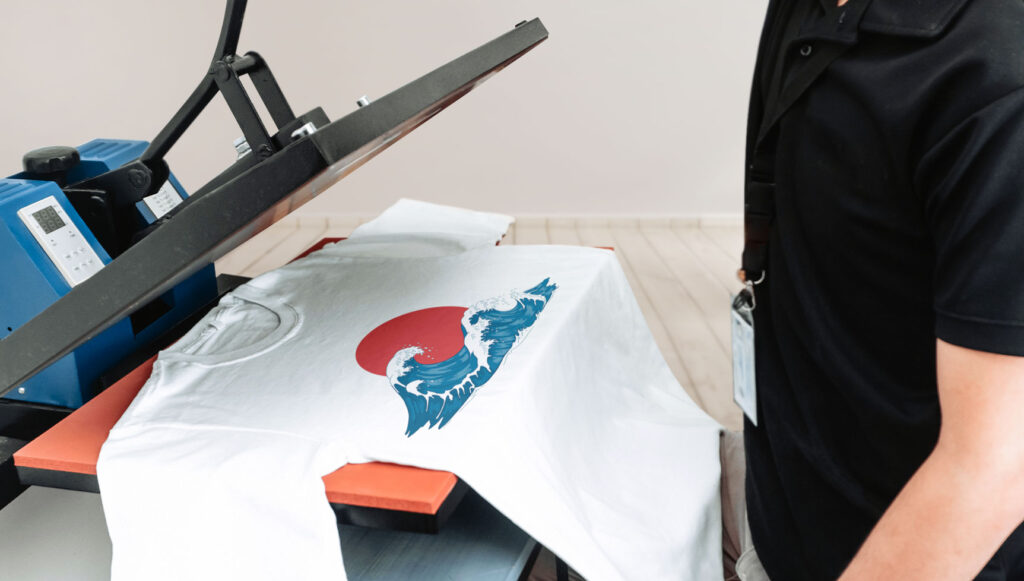
- Heat Pressing – The printed paper is placed onto the substrate (like a polyester t-shirt or mug), then pressed under high heat (typically 180–200°C).
- Sublimation – Under heat and pressure, the solid dye turns into gas and bonds with the fibres or coating of the item.
- Cooling – Once cooled, the gas returns to a solid state, embedded permanently in the surface.
This technique is especially suited to white or light-coloured surfaces, as sublimation ink is translucent and does not include white pigment.
What Materials Work Best?
Dye sublimation is only compatible with materials that contain polymers or are treated with a polymer coating. Common sublimation-friendly surfaces include:
- 100% polyester fabrics (or high polyester blends)
- Polymer-coated mugs and tumblers
- Aluminium photo panels
- Sublimation keyrings, puzzles, and mouse mats
- Polyester cushion covers, banners, and flags
Cotton and dark-coloured items are not ideal for sublimation, as the dyes will not bond effectively and colours may appear muted.
Why is Sublimation So Popular?
There are several compelling advantages to using dye sublimation:
- Vibrant Colours – Sublimation produces rich, high-definition colours with smooth gradients.
- Durability – Since the dye becomes part of the material, it won’t peel, crack, or fade.
- No Texture – The result is a smooth, seamless finish with no raised edges.
- Eco-Friendly – The process produces very little waste, uses no water, and the inks are generally non-toxic.
- Low Maintenance – Sublimation prints hold up to repeated washing and heavy use.
It’s no surprise that businesses and individuals alike turn to sublimation for everything from uniforms to custom gifts.
What Can You Make With Sublimation?
The versatility of this printing method makes it ideal for a wide range of products, including:
- Personalised mugs, bottles, and coasters
- Branded uniforms and sportswear
- Custom t-shirts and tote bags
- Photo panels and home décor
- Promotional giveaways
Whether you’re a hobbyist starting a small Etsy shop or a business offering branded merchandise, sublimation provides an affordable and scalable option.
Final Thoughts
Dye sublimation has revolutionised the world of custom printing. By using heat and science to embed dye directly into materials, it creates stunning, durable results that stand the test of time. Understanding the fundamentals of what dye sublimation is can help you choose the right equipment, materials, and designs for your next project.


